Armenia faces criticism for listing Azerbaijan as birthplace in Artsakh Armenians’ passports
- (0)
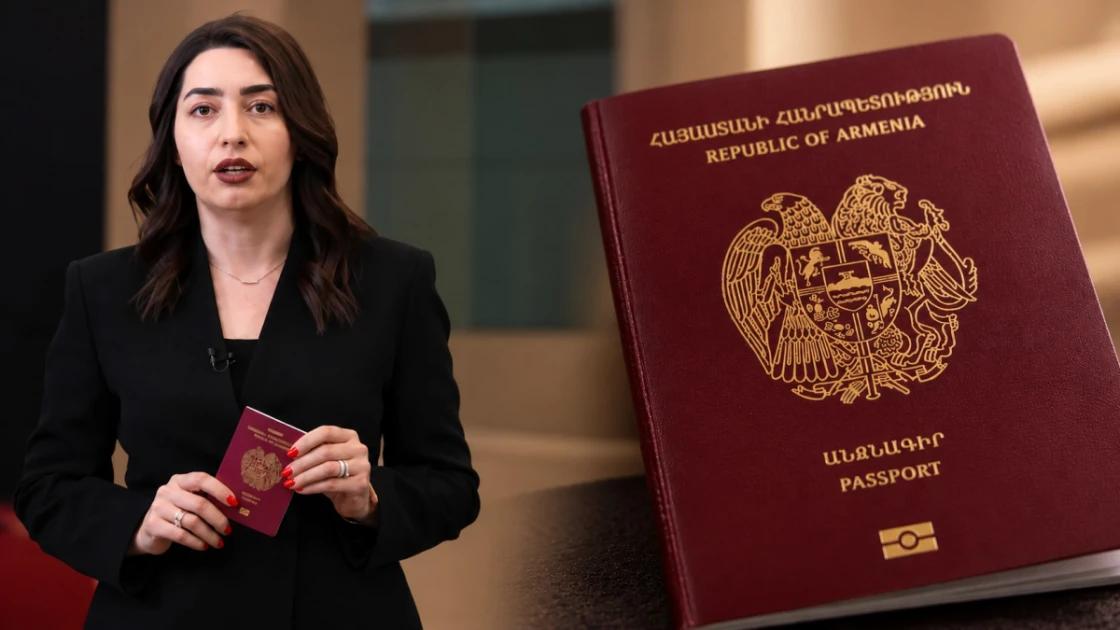
YEREVAN — Armenia’s decision to identify Azerbaijan as the birthplace of displaced Artsakh Armenians in newly issued biometric documents has triggered criticism and renewed concerns about the government’s treatment of the displaced population’s identity and legal status.
On November 19, Armenia’s Migration and Citizenship Service confirmed that new biometric documents issued to individuals displaced from Artsakh who subsequently obtained Armenian citizenship identify Azerbaijan in the country-of-birth field.
The agency defended the practice as necessary to comply with international standards governing machine-readable travel documents.
It cited the International Civil Aviation Organization’s Document 9303 and the ISO 3166 standard, which provides internationally recognized geographical and country codes.
According to the service, foreign border authorities had raised concerns about certain birthplace designations appearing in Armenia’s previous blue passports.
Officials maintained that adopting a uniform system would prevent difficulties during international travel and ensure compatibility with document recognition systems.
However, the government’s explanation has not resolved the controversy.
Critics question why compliance with international standards should require Armenian citizens born in Artsakh to have Azerbaijan identified as their birthplace without a clear indication of their actual town or city of birth.
The distinction is particularly significant for Armenians forcibly displaced following Azerbaijan’s September 2023 military offensive and the subsequent exodus of Artsakh’s Armenian population.
Strong Armenia parliamentarian Arega Hovsepyan announced that she had discussed the matter with the head of Armenia’s Migration and Citizenship Service.
Hovsepyan said she presented objections to the current practice and would pursue the issue through appeals to international organizations.
The controversy also raises questions about whether alternative formats could meet international requirements while preserving an accurate record of an individual’s birthplace.
The Armenian authorities have not publicly established that international rules categorically prohibit recording the actual town or city in Artsakh where a person was born.
The dispute reflects a broader concern about the preservation of Artsakh Armenians’ identity and historical ties to their homeland, particularly as the Pashinyan administration pursues normalization with Azerbaijan.
For displaced families, the issue extends beyond passport formatting. It concerns whether official Armenian documents adequately reflect their origins following years of conflict, persecution and forced displacement.