Armenia elected vice-chair of UNESCO’s Cultural Protection Committee
- (0)
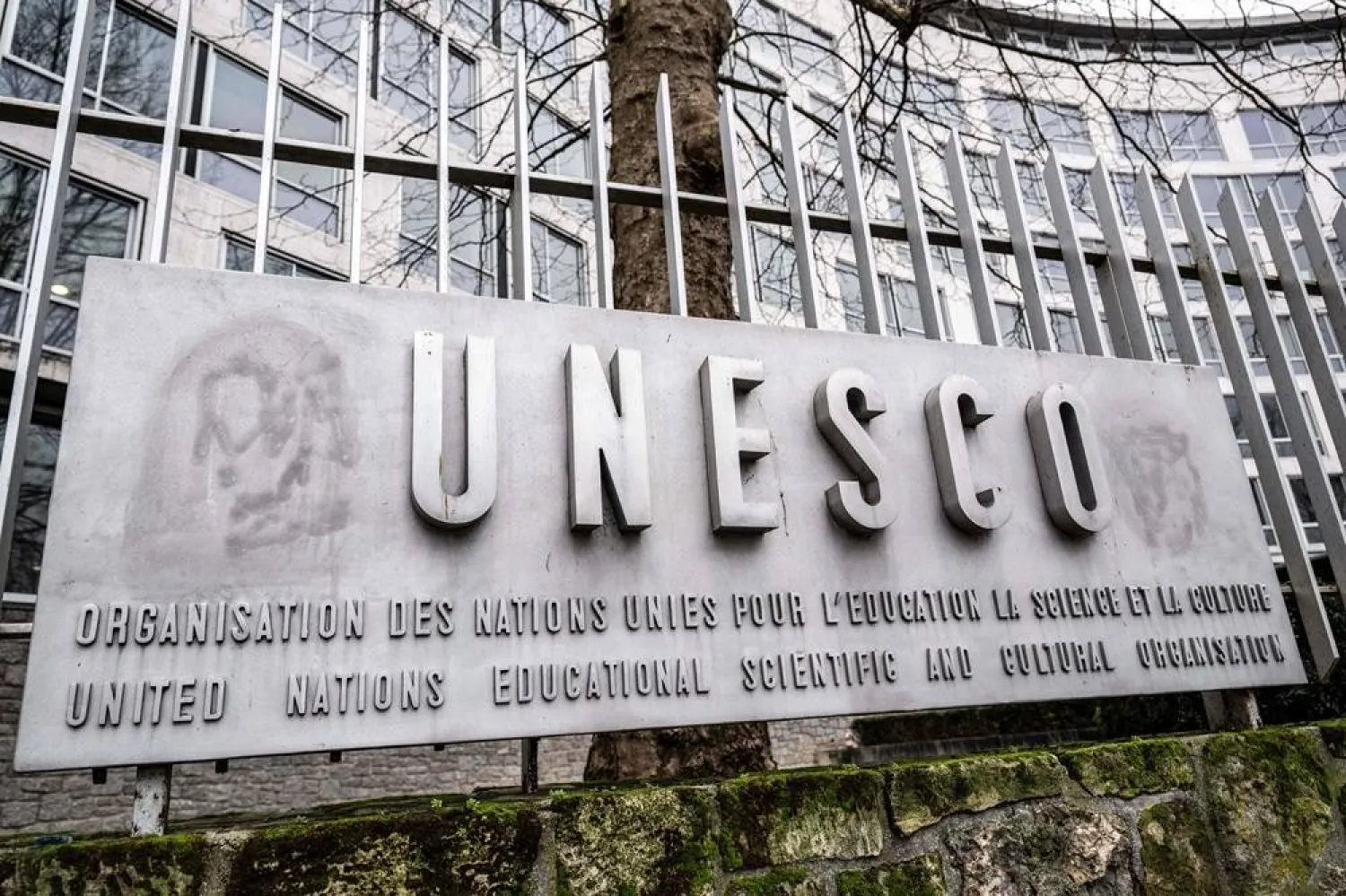
(Horizon Weekly) – Armenia has been elected vice chair of the 20th session of UNESCO’s Committee for the Protection of Cultural Property in the Event of Armed Conflict, a significant diplomatic achievement that elevates the country’s voice in global heritage protection at a time when Armenia’s own cultural legacy faces unprecedented danger.
The vote took place on December 4 at UNESCO headquarters in Paris, where member states gathered to review implementation of the 1954 Hague Convention and its 1999 Second Protocol. Armenia’s selection reflects broad international confidence in its scientific, academic, and cultural stewardship – an acknowledgment that comes with both responsibility and irony.
During the session, the committee examined a UNESCO-funded program supporting Armenia’s application to secure enhanced protection status for the Tatev Monastic Complexes, the Great Desert of Tatev, and the Vorotan River Gorge. Aram Hakobyan, Armenia’s Permanent Representative to UNESCO, expressed gratitude for the assistance and confirmed that Armenia had submitted a formal request for the Tatev sites to be added to the Enhanced Protection List.
The committee also reviewed global cultural protection projects, new applications, and the Secretariat’s annual report, ultimately granting enhanced protection to several properties worldwide.
However, Armenia’s elevation within UNESCO comes at a moment of profound contradiction. While championing heritage protection on the international stage, Armenia remains unable, or in many cases unwilling, to mount a meaningful defence of its own cultural patrimony in territories now under Azerbaijani control. Since the fall of Artsakh in 2023, Azerbaijani authorities have embarked on a systematic campaign to erase, appropriate, or “Albanize” centuries-old Armenian religious and cultural monuments. Churches have been defaced, cemeteries levelled, inscriptions altered, and architectural elements rebranded as non-Armenian.
Despite the scale of destruction, the Armenian government has taken only minimal diplomatic action, often limiting itself to muted appeals rather than sustained, coordinated international advocacy. This passivity has left Armenia’s most endangered heritage, some of it foundational to Armenian Christian civilization, largely undefended on the global stage.
Armenia’s new role within UNESCO’s cultural protection committee therefore carries added weight. It presents an opportunity, and arguably an obligation, for Yerevan to leverage its position more assertively: to document ongoing violations in Artsakh, to challenge Azerbaijan’s state-sponsored historical revisionism, and to demand accountability under the very conventions Armenia is now helping oversee.
If used effectively, this appointment can become more than a symbolic diplomatic success; it can serve as a platform to confront one of the most urgent cultural erasures of our time.
Related Articles
Ապրիլ 02, 2026
Շաբթուան ամփոփումը (2 ապրիլ 2026)
Ապրիլ 02, 2026